Jl.TMP Kalibata No.1 Pancoran
Jakarta Selatan 12760

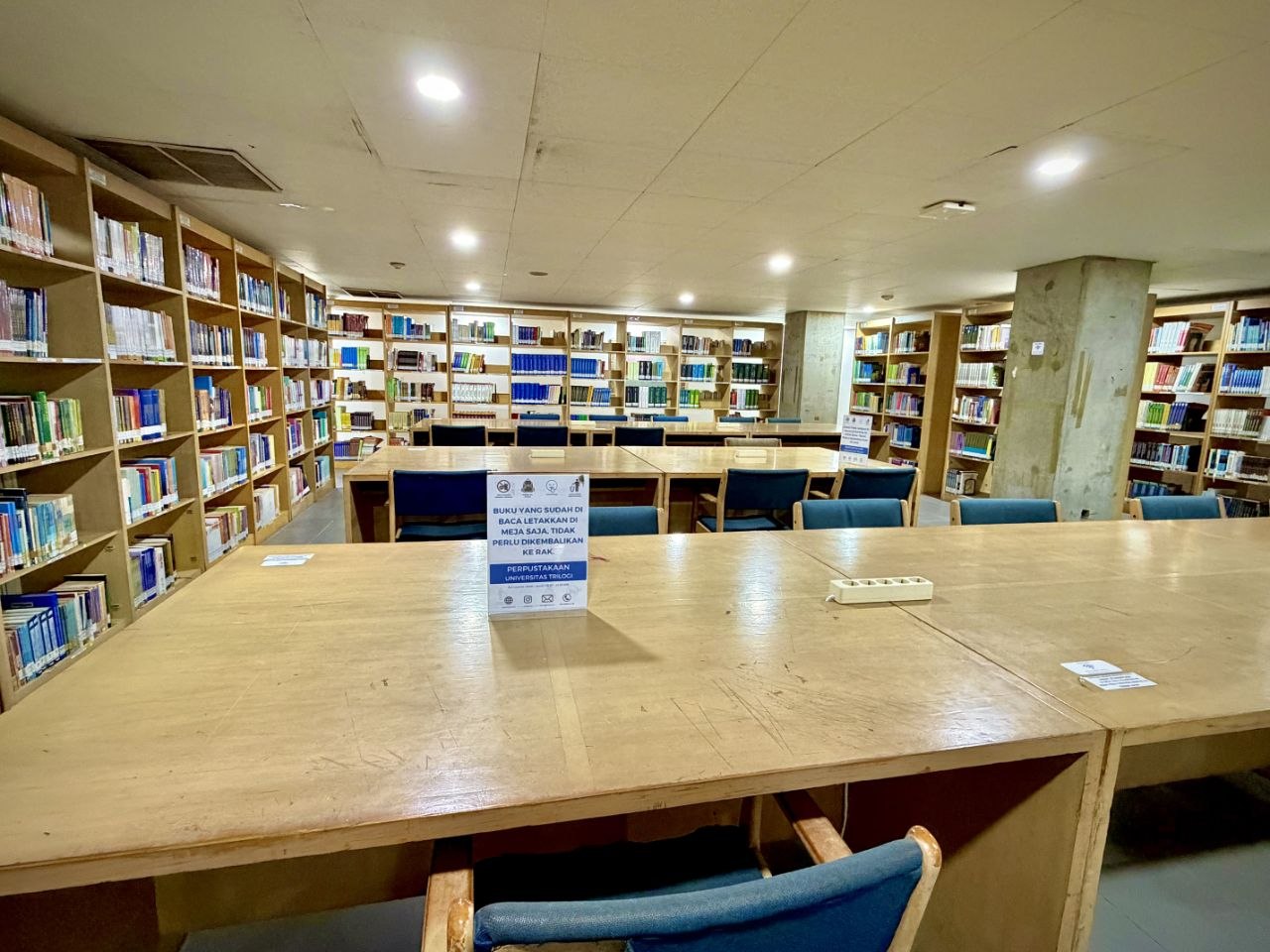
Libraries play an important role in supporting information literacy in the digital era, namely by helping users find, evaluate, use, and manage information effectively and responsibly. Some of their roles include:
1. Providing access to digital information through e-books, e-journals, academic databases, and other online information resources.
2. Improving information-searching skills by teaching effective and efficient information retrieval strategies.
3. Helping users evaluate the credibility of information, including distinguishing reliable sources from hoaxes, misinformation, and invalid information.
4. Developing academic skills such as the use of references, citations, and bibliographic management.
5. Encouraging the ethical use of information by providing an understanding of copyright, plagiarism, privacy, and digital ethics.
6. Providing digital learning spaces and facilities, such as computers, Wi-Fi, reading rooms, and access to various learning resources.
7. Assisting users in dealing with technological developments, including the use of various digital platforms and information resources for academic and professional purposes.
Thus, libraries no longer function merely as places for storing books, but also as centers for learning and information literacy that help students become critical, intelligent, independent, and responsible users of information.

Share This News